Cemil Uylukcu
A journey in martial arts that began at an early age and evolved into a lifelong path — inward as much as outward. Çok genç yaşta başlayan ve ömür boyu sürecek bir yola evrilen savaş sanatları yolculuğu — dışa olduğu kadar içe doğru. Un viaje en las artes marciales que comenzó a una edad temprana y se convirtió en un camino de toda la vida — tan interior como exterior.
- 1991–1995 — Freestyle Wrestling
- 1995–1997 — Muay-Thai, Kick-Boxing
- 1997–Present — WingChun Kung-Fu & Latosa Escrima
- 1991–1995 — Serbest Güreş
- 1995–1997 — Muay-Thai, Kick-Boxing
- 1997–halen — WingChun & Latosa Escrima
- 1991–1995 — Lucha Libre
- 1995–1997 — Muay-Thai, Kick-Boxing
- 1997–Presente — WingChun Kung-Fu y Latosa Escrima
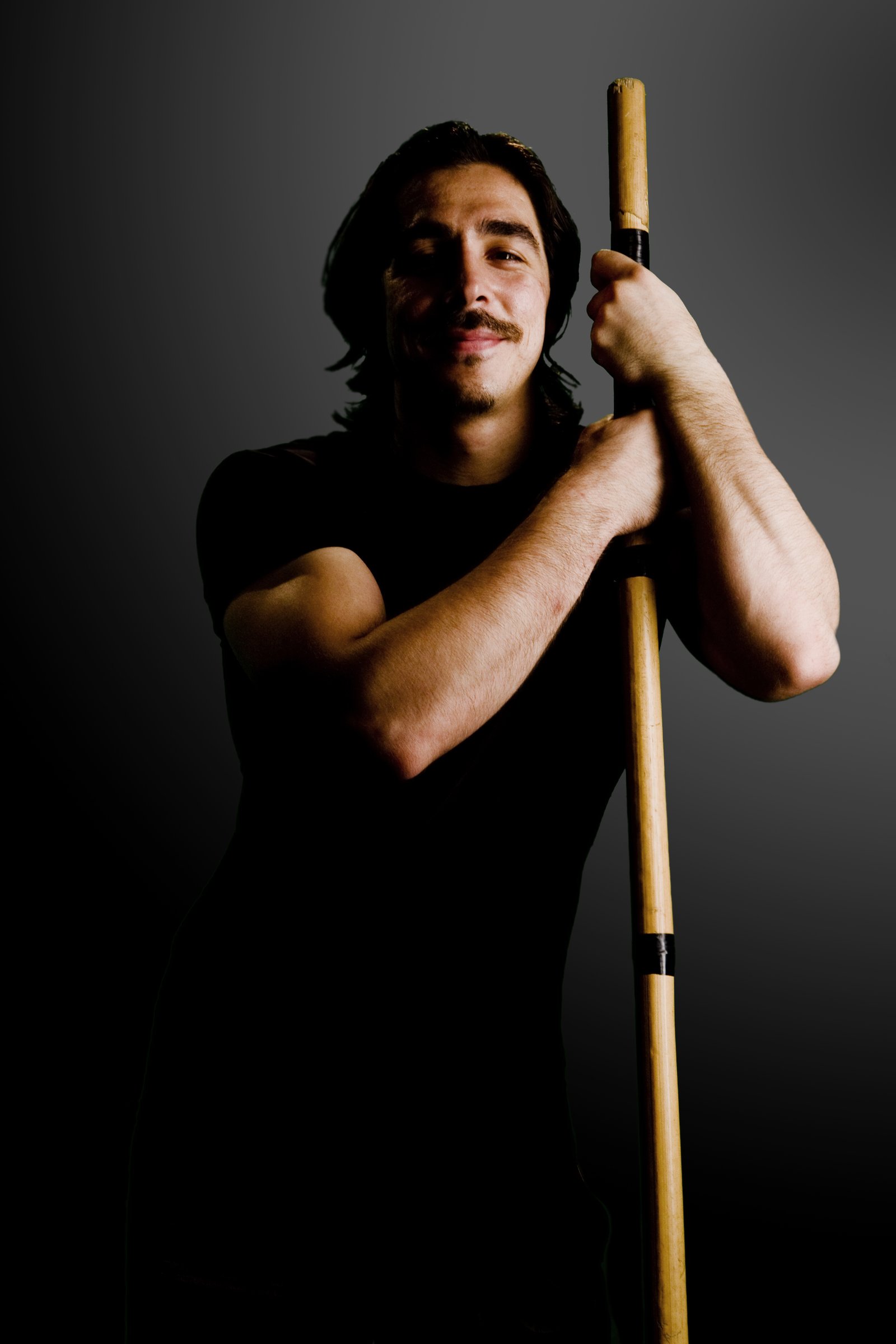
Cemil Uylukcu is the founder of proWES, an international martial arts organization, and a WingChun and Escrima instructor. Cemil, who began practicing martial arts at an early age, has also worked as a fight choreographer for numerous TV shows and films.
Cemil Uylukcu, uluslararası bir savaş sanatları organizasyonu olan proWES'in kurucusu ve bir WingChun ve Escrima eğitmenidir. Çok genç yaşta savaş sanatlarına başlayan Cemil, aynı zamanda birçok TV dizisi ve filmde dövüş koreografı olarak çalışmıştır.
Cemil Uylukcu es el fundador de proWES, una organización internacional de artes marciales, e instructor de WingChun y Escrima. Cemil, quien comenzó a practicar artes marciales a una edad temprana, también ha trabajado como coreógrafo de combate en numerosas series de televisión y películas.
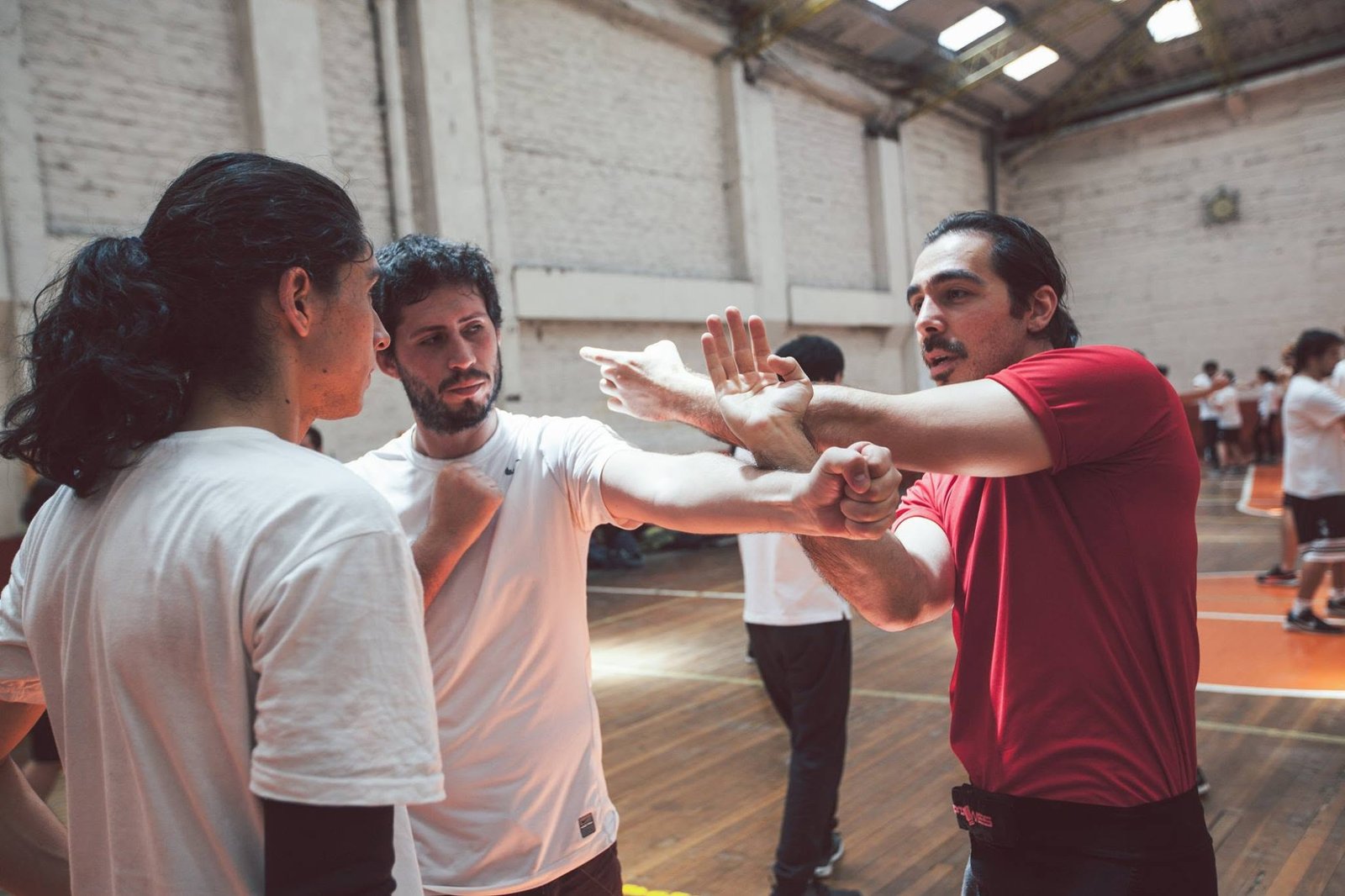
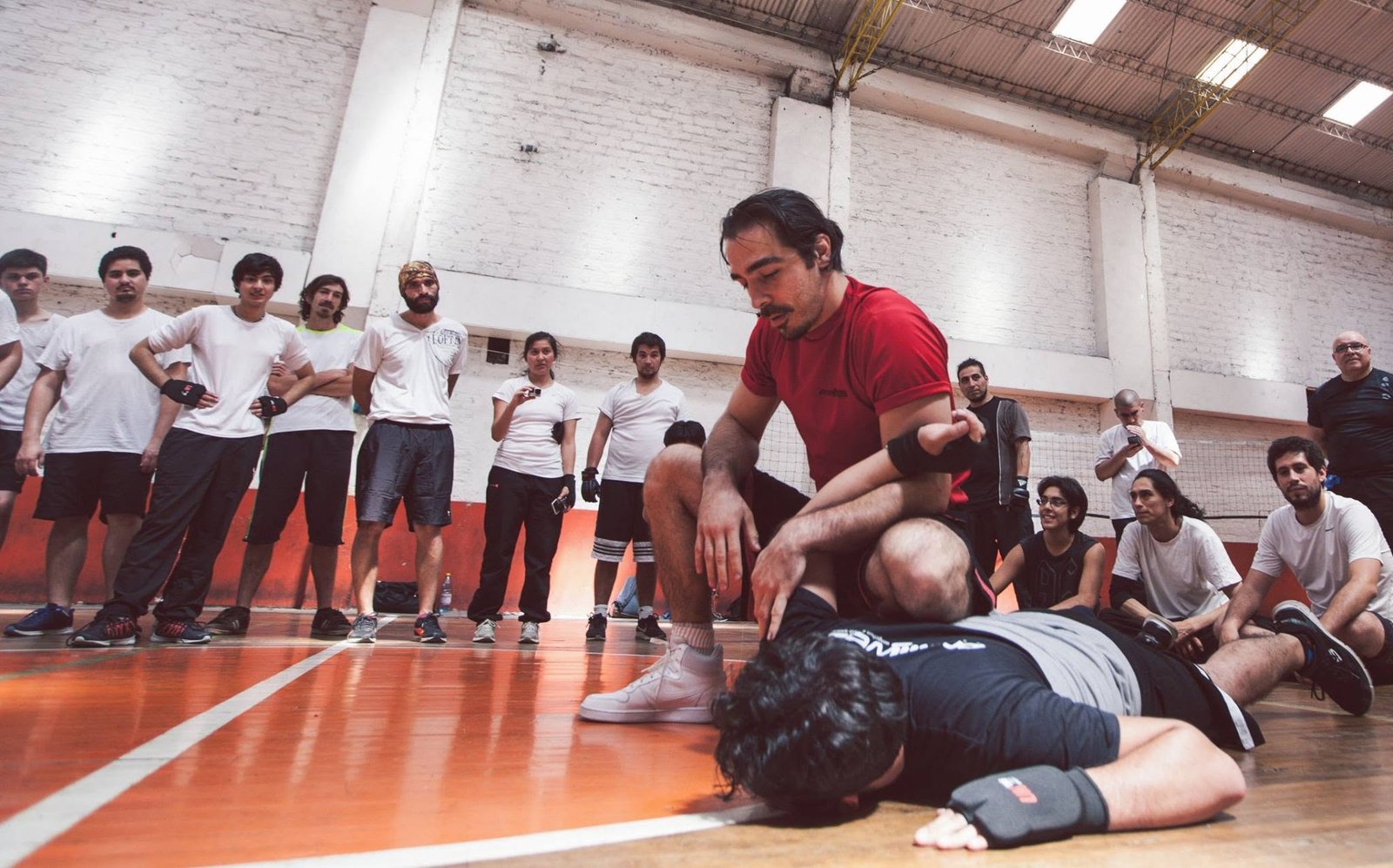
His greatest passion lies in teaching martial arts through a holistic and philosophical approach, while emphasizing not only their physical benefits but also their role in personal and mental development. Drawing on 35 years of experience, Cemil teaches students in 15 different countries, seeking to contribute to their physical and mental growth. He was honored with the title of "Sifu" in WingChun and as "Master" in Escrima style by his masters.
En büyük tutkusu, savaş sanatlarını bütünsel ve felsefi bir yaklaşımla öğretmek; bunu yaparken sadece fiziksel faydalarını değil, kişisel ve zihinsel gelişimdeki rolünü de vurgulamaktır. 35 yıllık deneyimine dayanarak Cemil, 15 farklı ülkede öğrencilere ders vermekte ve onların fiziksel ve zihinsel gelişimine katkıda bulunmayı hedeflemektedir. Ustaları tarafından WingChun'da "Sifu", Escrima stilinde ise "Master" unvanıyla onurlandırılmıştır.
Su mayor pasión es enseñar artes marciales a través de un enfoque holístico y filosófico, poniendo énfasis no solo en sus beneficios físicos sino también en su papel en el desarrollo personal y mental. Con 35 años de experiencia, Cemil enseña a estudiantes en 15 países diferentes, buscando contribuir a su crecimiento físico y mental. Fue honrado con el título de "Sifu" en WingChun y de "Master" en el estilo Escrima por sus maestros.
Martial Arts BackgroundSavaş Sanatları GeçmişiTrayectoria en las Artes Marciales
In 1991 Cemil enrolled in Freestyle Wrestling, his father was an elite wrestler who inspired his son to follow his footsteps. Later, in 1995 Cemil also delved himself into both Muay-Thai and Kick-Boxing classes. It was not until 1997 that he became fixated on the martial art called "WingChun KungFu."
Eski güreşçilerden olan babası, oğlunu kendi başarılı adımlarını takip etmeye teşvik etmesiyle Cemil, spor hayatına 1991 yılında Serbest Güreş ile başlamıştır. 1995 yılında Muay-Thai ve Kick Boxing eğitimlerine yönelmiştir. 1997 yılında "WingChun Kung-Fu" ile tanışmış ve kendini tamamen adamıştır.
En 1991, Cemil se inscribió en Lucha Libre; su padre fue un luchador de élite que inspiró a su hijo a seguir sus pasos. Más tarde, en 1995, Cemil también se sumergió en clases de Muay-Thai y Kick-Boxing. No fue hasta 1997 que quedó fascinado por el arte marcial llamado "WingChun Kung-Fu."
The PathYolEl Camino
Cemil did not realize his first lesson with Si-hing (Yüksel Sönmez) would have such a strong impact on his life. From 1997 to 2000 Cemil trained with his Si-hing nearly everyday. These years were crucial for Cemil, he would be left with the responsibility of teaching WingChun in Istanbul, Türkiye at the age of sixteen.
Si-hing'i (Yüksel Sönmez) ile ilk dersinin tüm hayatını kuvvetle etkileyeceğinin farkında bile değildi. 1997'den 2000'e kadar, Si-hing'i ile neredeyse her gün antrenman yaptı. O yıllar Cemil için çok zorluydu, WingChun'u İstanbul'da öğretme sorumluluğu ona bırakıldığında henüz on altı yaşındaydı.
Cemil no se dio cuenta de que su primera lección con su Si-hing (Yüksel Sönmez) tendría un impacto tan fuerte en su vida. De 1997 a 2000, Cemil entrenó con su Si-hing casi todos los días. Esos años fueron cruciales para Cemil, quien asumiría la responsabilidad de enseñar WingChun en Estambul, Turquía, a los dieciséis años.
At the end of 2000, he met his renowned WingChun master; Emin Boztepe and became his private student. Between 2001 and 2011, until moving to the USA, Cemil continued his career under his Si-fu's organization and received the title of "Sifu" in WingChun from him. At the same period he became private student of late GM Rene Latosa who is the first to introduce Filipino Martial Arts to Europe and the developer of Latosa Escrima system, and learned from him until his passing in 2022. Cemil was also honored with the title of "Master" in Escrima by the late GM Latosa himself.
2000 yılının sonunda, tanınmış WingChun ustası Emin Boztepe ile tanıştı ve özel öğrencisi oldu. Cemil, 2001-2011 yılları arasında, ABD'ye taşınana kadar Si-fu'sunun organizasyonu bünyesinde çalışmalarını sürdürdü ve kendisinden WingChun'da "Sifu" unvanını aldı. Aynı dönemde, Filipin Savaş Sanatları'nı Avrupa'ya ilk tanıtan ve Latosa Escrima sisteminin geliştiricisi olan merhum GM Rene Latosa'nın da özel öğrencisi oldu ve 2022 yılında vefatına kadar kendisinden eğitim aldı. Cemil, merhum GM Latosa tarafından Escrima'da "Master" unvanına da layık görüldü.
A finales de 2000, conoció a su reconocido maestro de WingChun, Emin Boztepe, y se convirtió en su alumno privado. Entre 2001 y 2011, hasta su traslado a Estados Unidos, Cemil continuó su carrera dentro de la organización de su Si-fu y recibió de él el título de "Sifu" en WingChun. En ese mismo período se convirtió en alumno privado del difunto GM Rene Latosa, el primero en introducir las Artes Marciales Filipinas en Europa y creador del sistema Latosa Escrima, y aprendió de él hasta su fallecimiento en 2022. Cemil también fue honrado con el título de "Master" en Escrima por el propio GM Latosa.
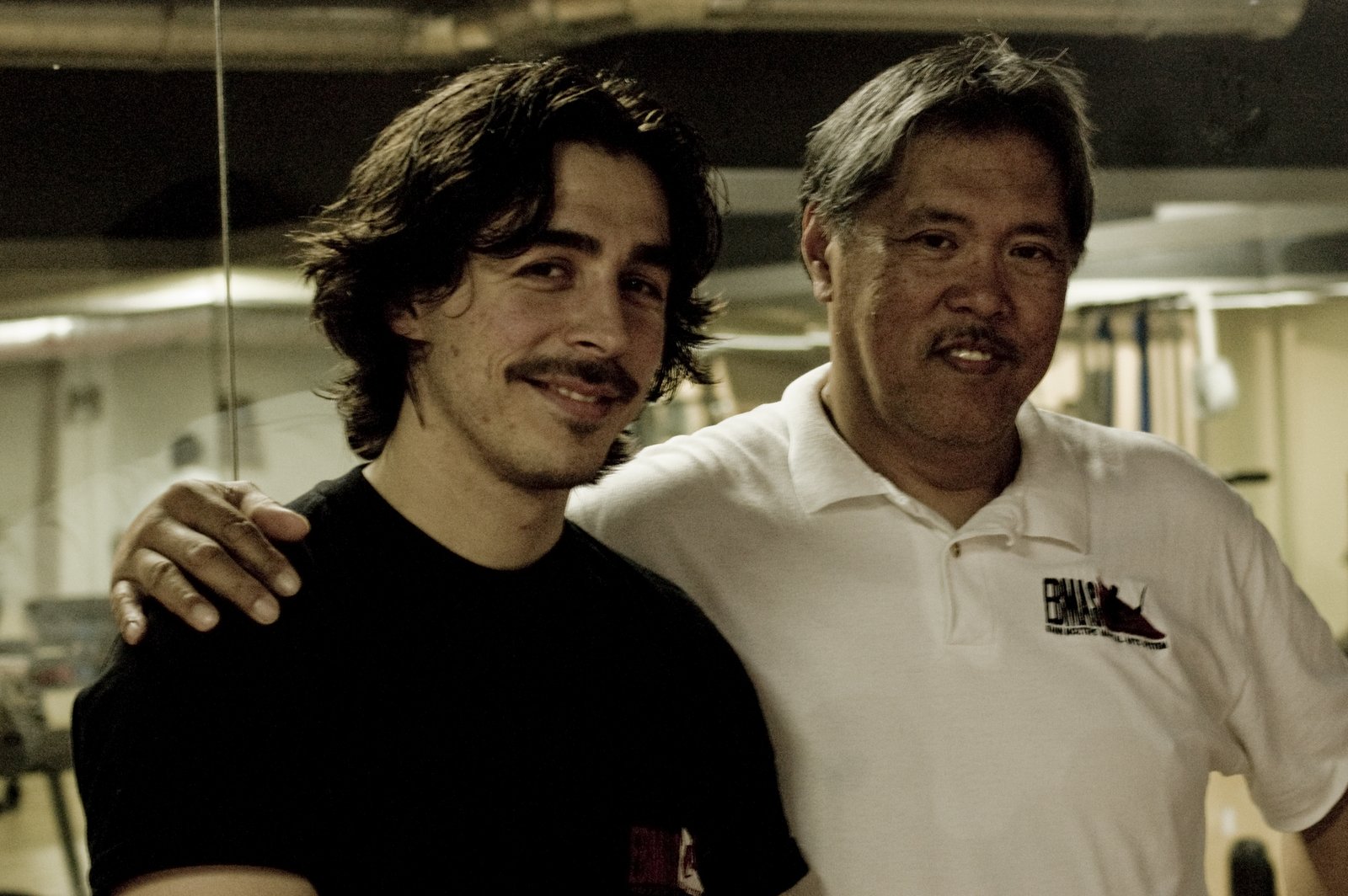
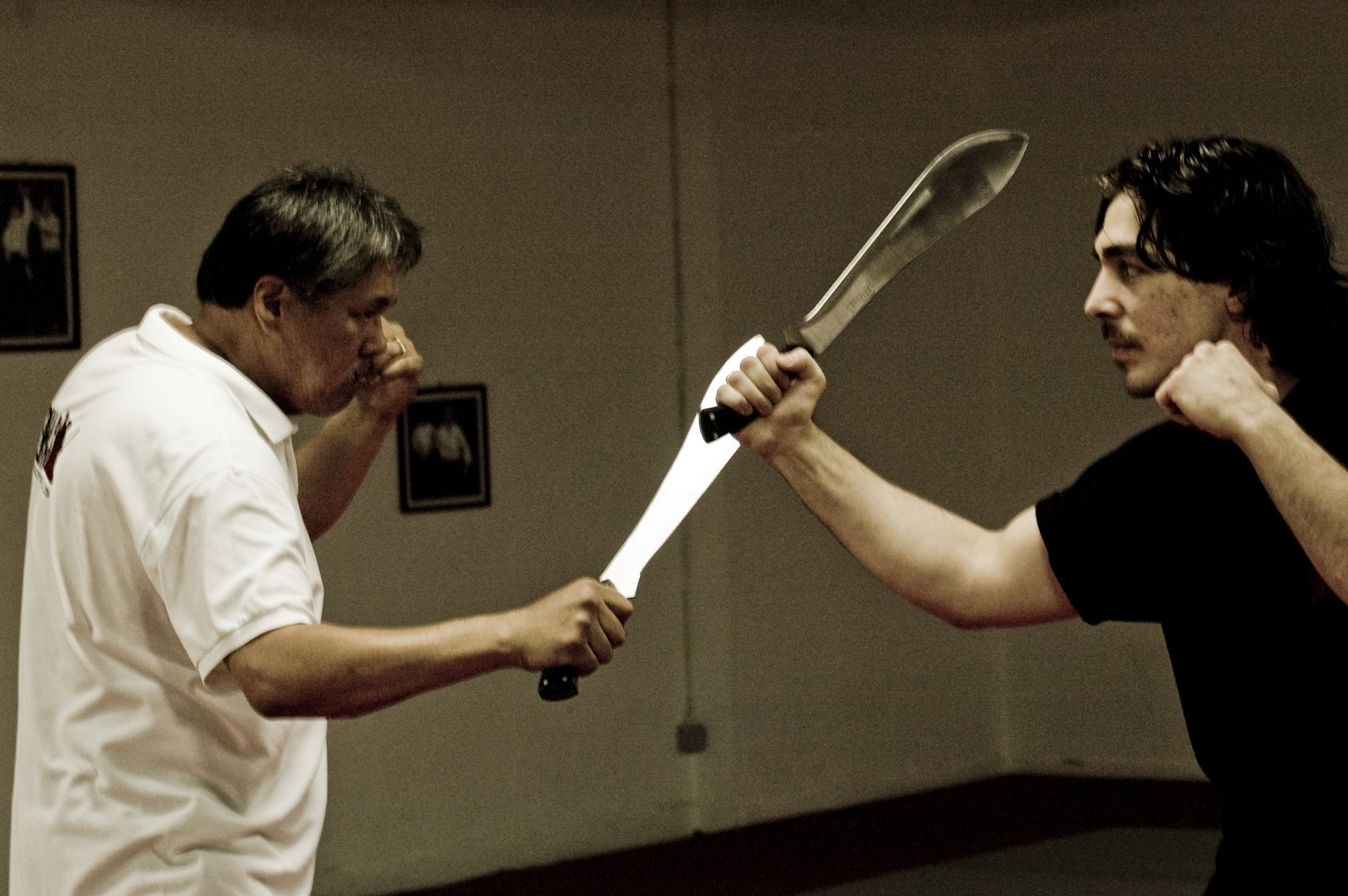
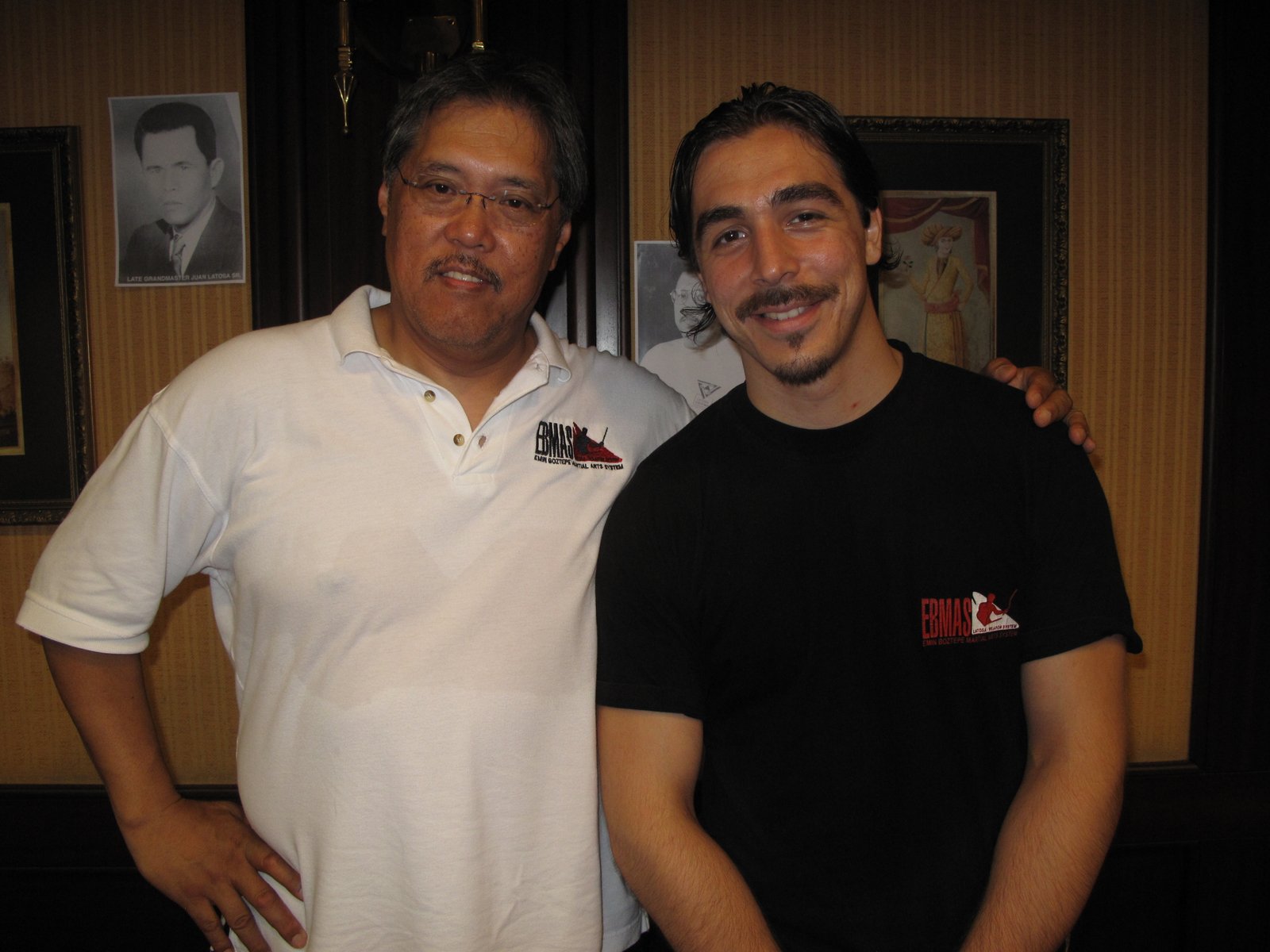
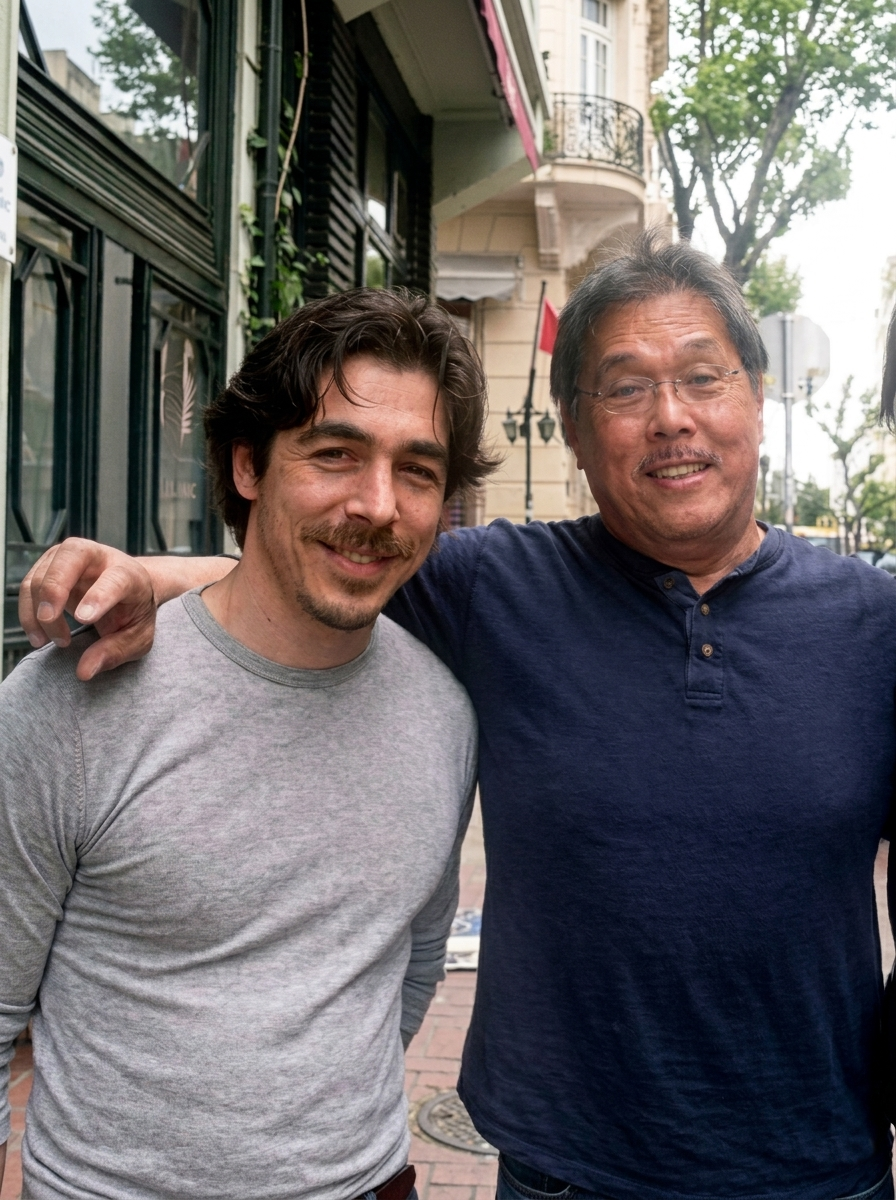
In 2011, Cemil founded "proWES" organization, which demonstrates his passion of the martial arts. The organization, which was headquartered in the USA and Türkiye at that time was followed by the martial artists that shares the same mindset around the world in a short time. Cemil continues to travel throughout the year with a great passion to pass on his knowledge and experiences to his students/instructors in 15 different countries.
Cemil, 2011 yılında savaş sanatlarına olan tutkusunu ortaya koyan proWES organizasyonunu kurdu. O dönemde merkezi ABD ve Türkiye'de bulunan organizasyon, kısa süre içerisinde dünyanın dört bir yanında aynı düşünce yapısını paylaşan savaş sanatçıları tarafından takip edilmeye başlandı. Cemil, bilgi ve deneyimlerini 15 farklı ülkedeki öğrencilerine/eğitmenlerine aktarmak için halen yıl boyunca büyük bir tutkuyla seyahat etmeye devam etmektedir.
En 2011, Cemil fundó la organización "proWES", que refleja su pasión por las artes marciales. La organización, que en ese momento tenía su sede en Estados Unidos y Turquía, fue seguida en poco tiempo por artistas marciales de todo el mundo que compartían la misma mentalidad. Cemil sigue viajando durante todo el año con gran pasión para transmitir sus conocimientos y experiencia a sus alumnos e instructores en 15 países diferentes.
WingChunWingChunWingChun
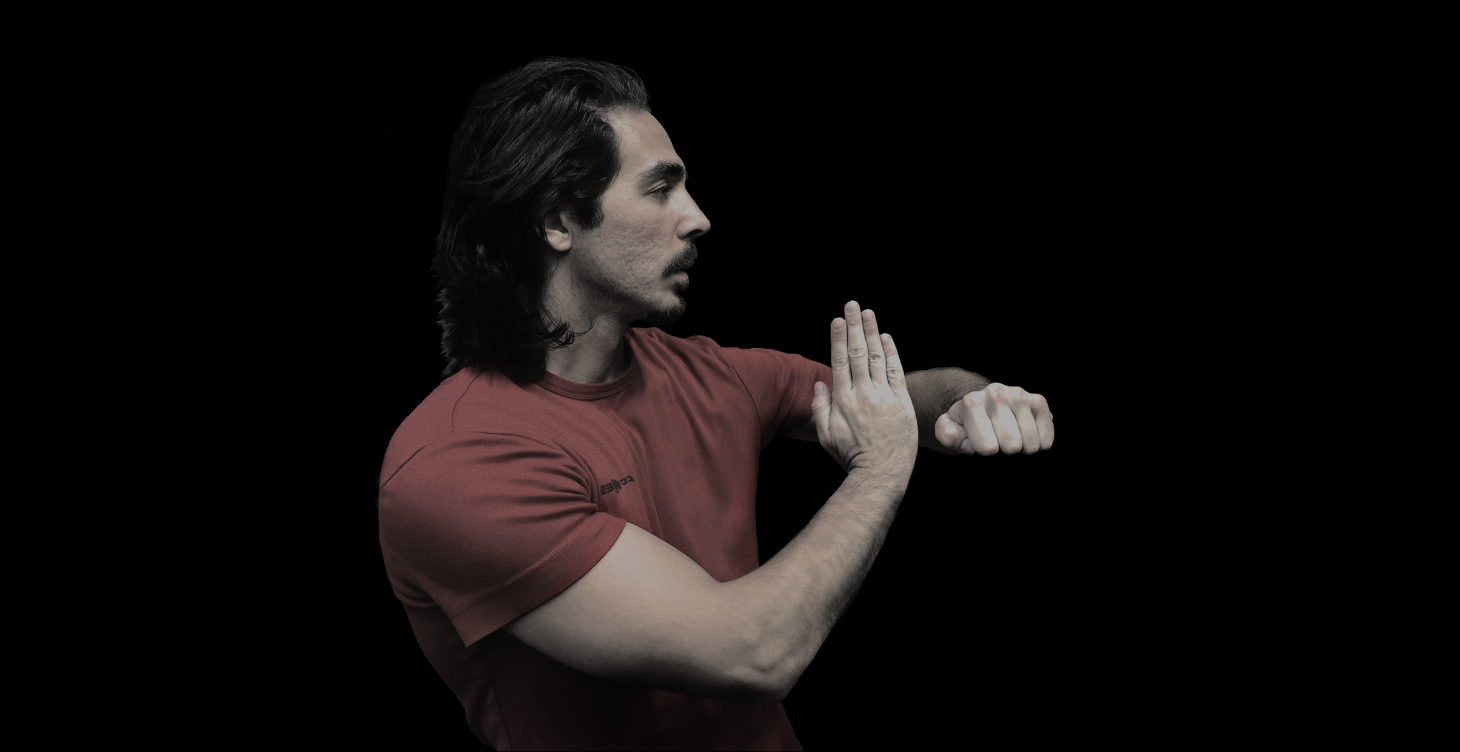
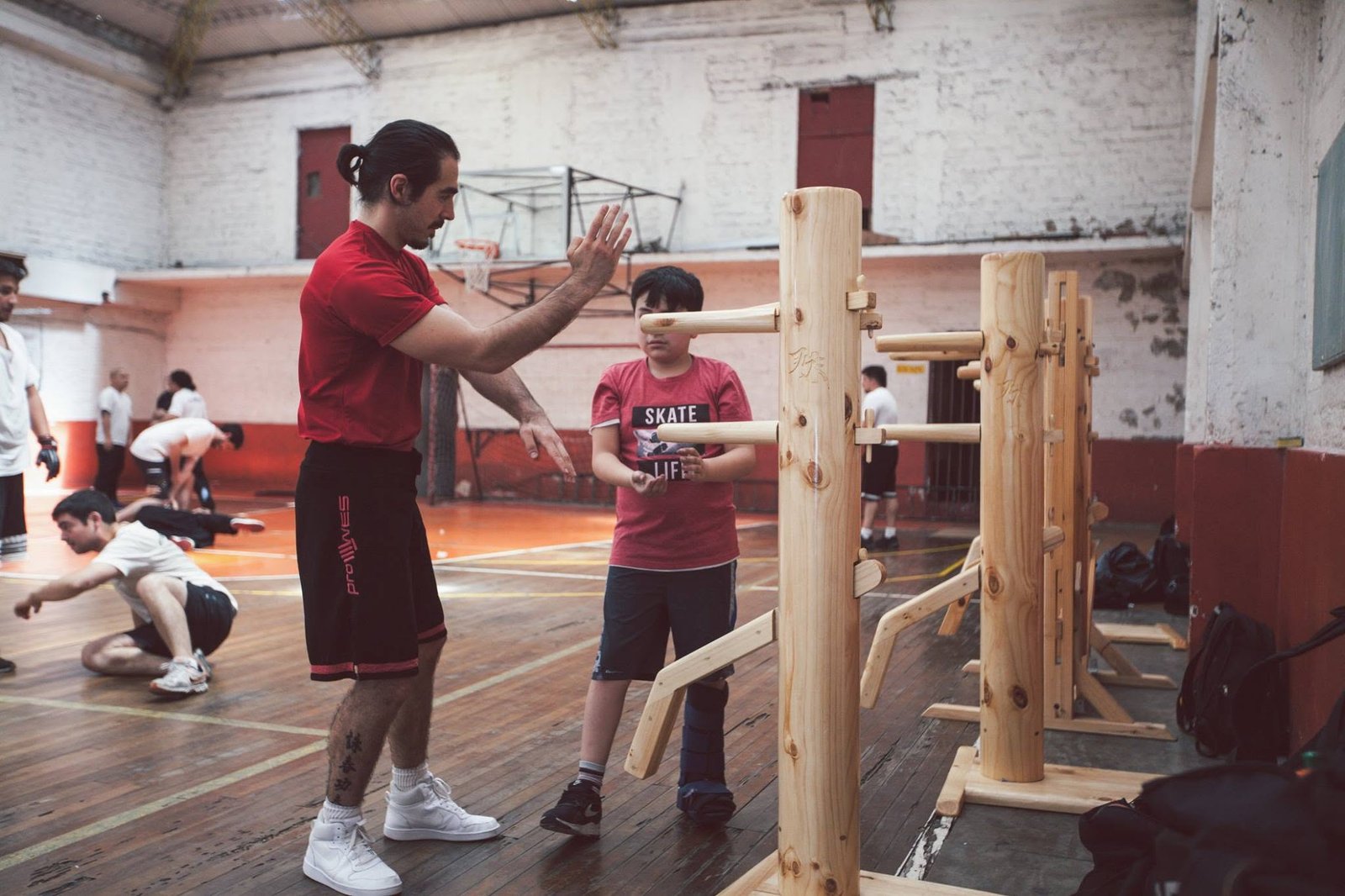
WingChun is a direct, simple and effective Kung-Fu style born in Southern China roughly 300 years ago. Built around principles like simultaneous defense and counter-attack, economy of motion and the centerline, it lets a practitioner of any age or body type react quickly and precisely rather than relying on brute strength. Training moves through three empty-hand forms, a wooden dummy form and two weapon forms — always in service of self-defense, balance, timing and inner discipline rather than aesthetics.
WingChun, yaklaşık 300 yıl önce Güney Çin'de doğmuş, direkt, sade ve etkili bir Kung-Fu stilidir. Eş zamanlı savunma-karşı saldırı, hareket ekonomisi ve merkez çizgi gibi ilkeler üzerine kurulan sistem, her yaş ve beden tipinden kişinin kaba kuvvete değil hız ve doğruluğa dayanarak tepki vermesini sağlar. Eğitim, üç çıplak el formundan, bir tahta adam formundan ve iki silah formundan oluşur — hepsi estetikten çok öz savunma, denge, zamanlama ve iç disiplin amacına hizmet eder.
WingChun es un estilo de Kung-Fu directo, simple y eficaz, nacido en el sur de China hace unos 300 años. Construido sobre principios como la defensa y el contraataque simultáneos, la economía de movimiento y la línea central, permite que un practicante de cualquier edad o tipo de cuerpo reaccione con rapidez y precisión en lugar de depender de la fuerza bruta. El entrenamiento recorre tres formas a mano vacía, una forma con el muñeco de madera y dos formas con armas — siempre al servicio de la autodefensa, el equilibrio, el timing y la disciplina interior, más que de la estética.
EscrimaEscrimaEscrima
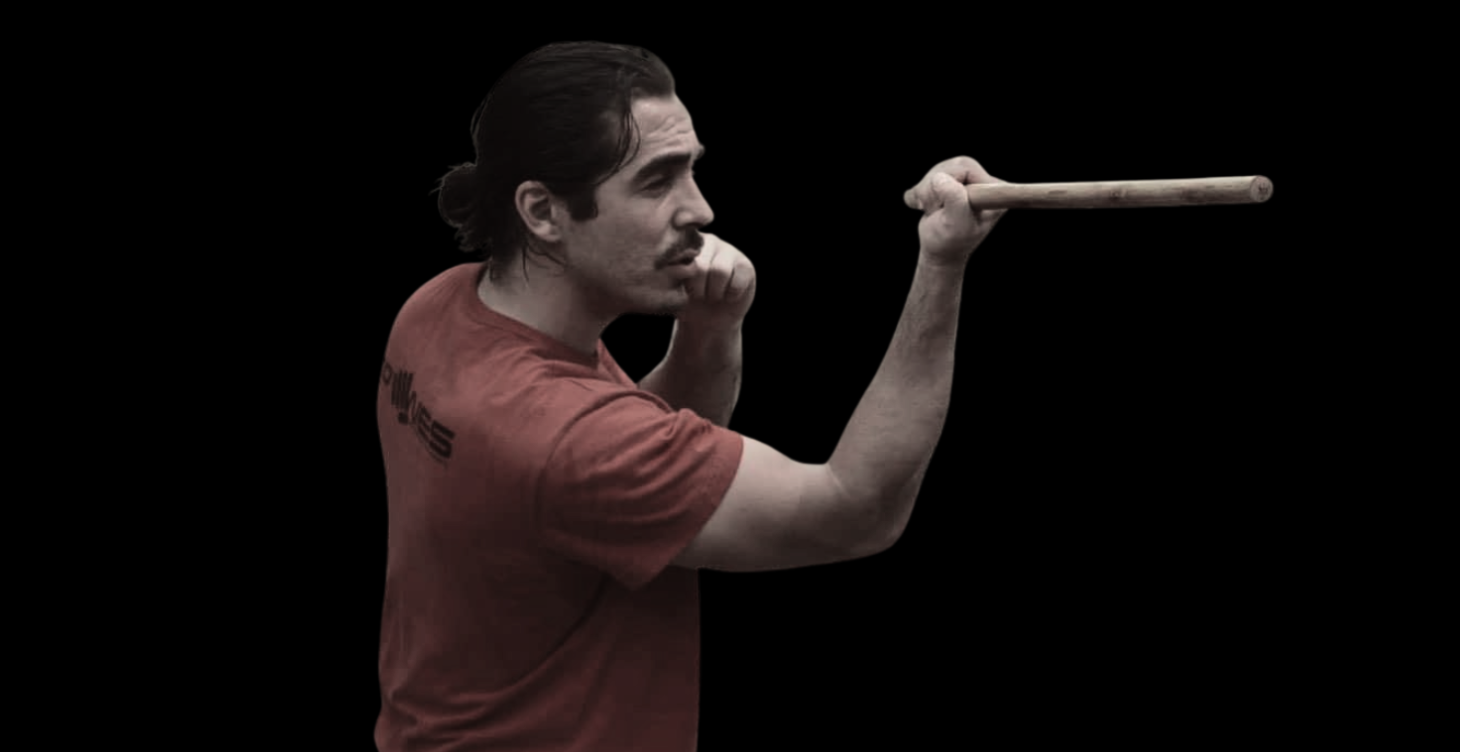
Escrima is an armed Filipino martial art built around stick, blade and improvised-weapon work — but its real subject is body mechanics, not any single weapon. Its empty-hand counterpart, Filipino Boxing, teaches that the body itself is the weapon, using strikes, kicks, knees, elbows and hammer-fists. Everything is taught through five shared concepts — balance, timing/distance, power, focus and transition — so a stick, a knife or an everyday object like a pen or umbrella can all be used with the same underlying skill.
Escrima, sopa, bıçak ve doğaçlama nesnelerle çalışan silahlı bir Filipin Savaş Sanatıdır — ama asıl konusu tek bir silah değil, beden mekaniğidir. Sistemin çıplak el karşılığı olan Filipin Boksu, asıl silahın bedenin kendisi olduğunu öğretir; yumruk, tekme, diz ve dirsek vuruşlarını kullanır. Her şey beş ana konsept üzerinden öğretilir — denge, zamanlama/mesafe, güç, odaklanma ve geçiş — böylece bir sopa, bir bıçak ya da bir kalem veya şemsiye gibi gündelik bir nesne aynı temel beceriyle kullanılabilir.
Escrima es un arte marcial filipino con armas, centrado en el trabajo con bastón, arma blanca y objetos improvisados — pero su verdadero objeto de estudio es la mecánica corporal, no un arma en particular. Su contraparte a mano vacía, el Boxeo Filipino, enseña que el cuerpo mismo es el arma, usando golpes, patadas, rodillazos, codazos y martillazos. Todo se enseña a través de cinco conceptos compartidos — equilibrio, timing/distancia, potencia, enfoque y transición — de modo que un bastón, un cuchillo o un objeto cotidiano como un bolígrafo o un paraguas pueden usarse con la misma habilidad de base.

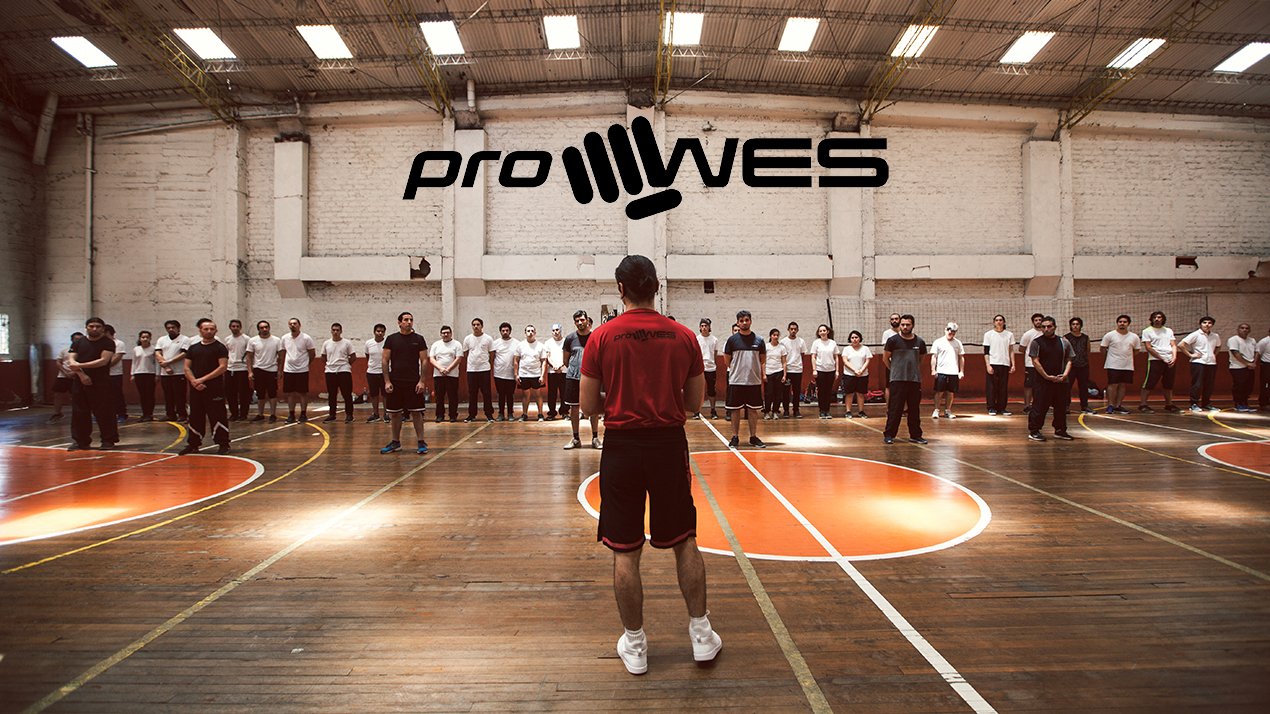
proWES (profound WingChun Escrima Systems) is the international martial arts organization Cemil founded in 2011 to teach both styles side by side. It is built on one idea: honest, unlimited knowledge transfer — instructors who pass on WingChun and Escrima with the amateur spirit of a passion, not a commercial franchise. Today proWES has schools across 15 countries, run as one big, respectful and open-minded martial arts family.
proWES (profound WingChun Escrima Systems), Cemil'in 2011'de her iki stili bir arada öğretmek için kurduğu uluslararası savaş sanatları organizasyonudur. Tek bir fikir üzerine kuruludur: dürüst ve sınırsız bilgi aktarımı — ticari bir franchise değil, amatör ruhla WingChun ve Escrima'yı aktaran eğitmenler. Bugün proWES, 15 ülkede okullarıyla, birbirine saygılı ve açık fikirli büyük bir savaş sanatları ailesi gibi işliyor.
proWES (profound WingChun Escrima Systems) es la organización internacional de artes marciales que Cemil fundó en 2011 para enseñar ambos estilos en paralelo. Está construida sobre una sola idea: una transmisión de conocimiento honesta y sin límites — instructores que transmiten WingChun y Escrima con el espíritu amateur de una pasión, no como una franquicia comercial. Hoy proWES cuenta con escuelas en 15 países, funcionando como una gran familia de artes marciales, respetuosa y de mente abierta.
Visit prowes.net →prowes.net'i ziyaret et →Visitar prowes.net →Upcoming SeminarsYaklaşan SeminerlerPróximos Seminarios
Updated at the beginning of the year — past dates are automatically hidden.Yıl başında güncellenir — geçmiş tarihler otomatik olarak gizlenir.Se actualiza a principios de año — las fechas pasadas se ocultan automáticamente.
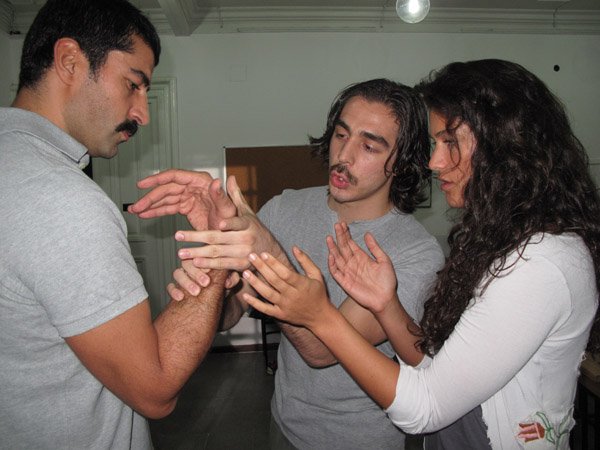
Since 2005 Cemil has been working as a fight choreographer in movies and TV series in Türkiye. In 2007 he worked with Tony Leung, who is the president of the "Hong Kong Stuntman Association" and an action director. Within this period he learned how to use his existing martial arts background in the fight choreographies more efficiently. Furthermore, he received training on Hong Kong action techniques, stunt coordination, using of wire-works (steel cable) within the action and reaction techniques.
Cemil 2005 yılından bu yana Türkiye'de sinema filmleri ve TV dizilerinde dövüş koreografı olarak görev almaktadır. 2007 yılında "Hong Kong Stuntman Association" başkanı ve aksiyon yönetmeni Tony Leung ile çalıştı. Bu süreçte mevcut savaş sanatları altyapısını dövüş koreografilerinde nasıl daha verimli kullanabileceğini öğrendi. Hong Kong aksiyon teknikleri, stunt koordinasyonu, wire-works (çelik halat) aksiyon içinde kullanımı ve reaksiyon teknikleri üzerine eğitim aldı.
Desde 2005, Cemil trabaja como coreógrafo de combate en películas y series de televisión en Turquía. En 2007 trabajó con Tony Leung, presidente de la "Hong Kong Stuntman Association" y director de acción. Durante este período aprendió a utilizar de forma más eficiente su formación en artes marciales dentro de las coreografías de combate. Además, recibió formación en técnicas de acción de Hong Kong, coordinación de dobles de acción y el uso de cables de acero (wire-works) dentro de las técnicas de acción y reacción.
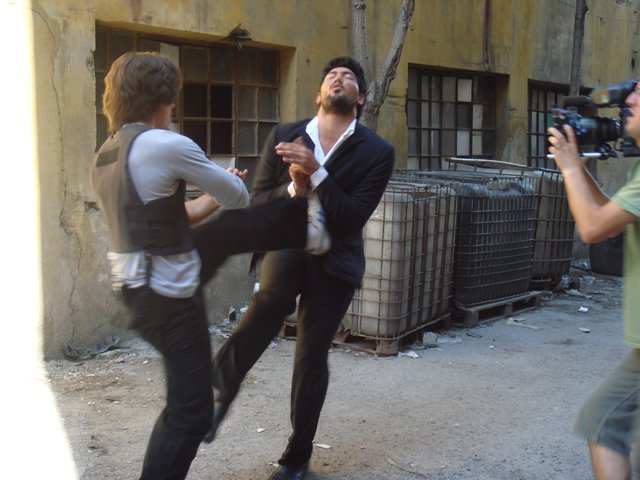
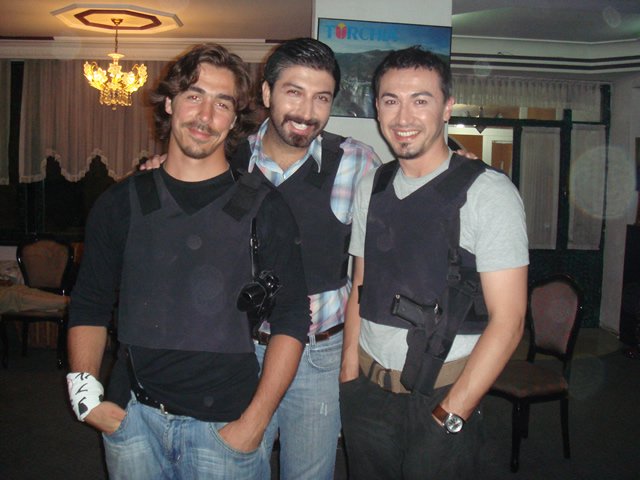
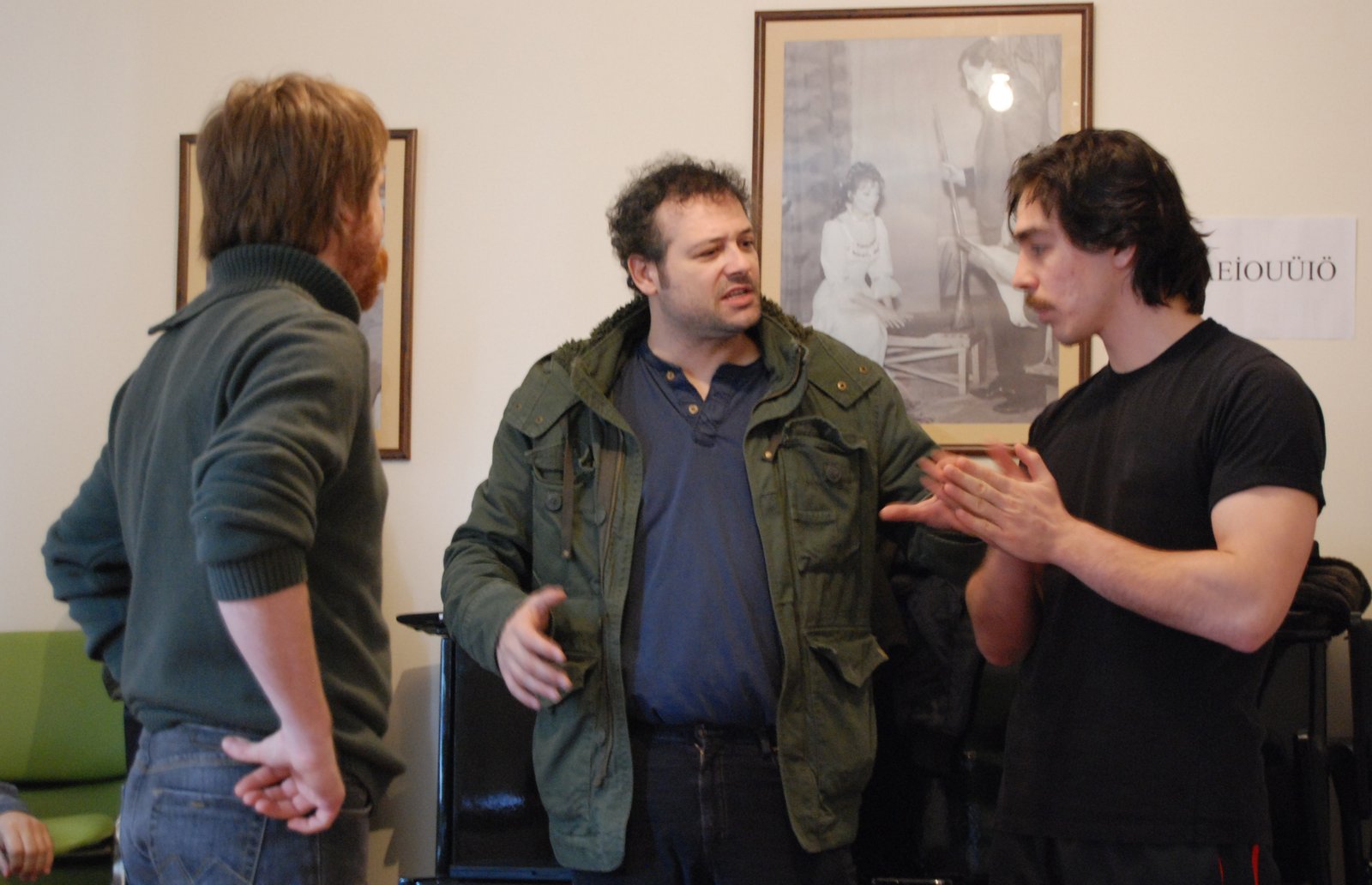
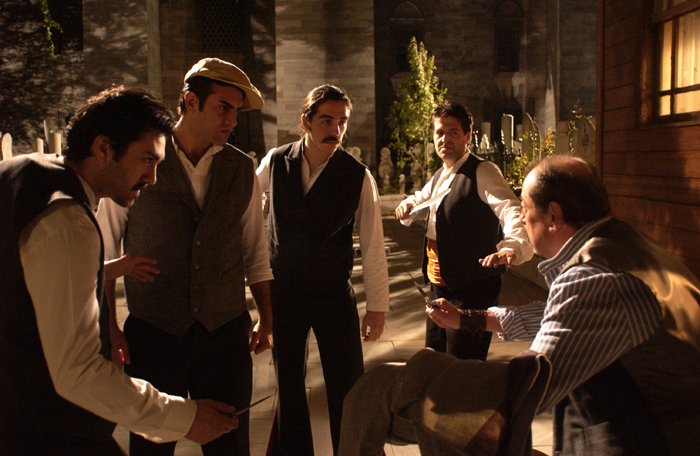
The Stages of a Cinematographic Fight SceneSinematografik Bir Dövüş Sahnesinin Oluşum AşamalarıLas Etapas de una Escena de Combate Cinematográfica
- Examining the scenario. A general misconception, is that an ordinary character in the scenario fights with "Kung-Fu" techniques. But the main task of a fight choreographer is to examine the scenario as a whole, then to determine the appropriate "fighting nature" for the character and to maintain it steadily.
- Choreography design. The stage that comes after the fighting nature of the character is determined. The choreography of the scene, which is designed generally, takes its final form during the set after it is explained to the actors and actresses.
- Actor/actress training. Before the choreography work, which is determined according to the physique of the actor/actress and the fighting nature of the character he/she plays, he/she is taught the "screen fight." The goal is to perform safe and realistic scenes by preventing the actors/actresses from hurting each other or themselves — simulating a real martial artist's abilities instead of becoming one.
- Stunt training. Training for the supporting actors/actresses and stunts — other than the main characters — who play a part in the fight scene: basic reactions, taking punches/kicks, falling down, and using these within the choreography. In a cinematographic fight scene, it is often the stunt reacting, rather than the actor acting, that makes the scene realistic.
- Set — choreography coordination. Before the scene is filmed, the final form of the choreography is determined with regard to the location. While shooting, the actors/actresses and stunts perform the scene safely, realistically and in the best way according to the choreography.
- Senaryo inceleme. Genel yanlış kanı, senaryodaki sıradan bir karakterin "Kung-Fu" teknikleri ile dövüştürüleceği sanısıdır. Ancak bir dövüş koreografının asıl işi; öncelikle senaryoyu bir bütün olarak incelemek, karaktere uygun "dövüş kimliği"ni belirlemek ve bu istikrarı korumaktır.
- Koreografi tasarımı. Karakterin dövüş kimliği belirlendikten hemen sonraki aşamadır. Ana hatlarıyla tasarlanan sahnenin koreografisi, oyunculara aktarıldıktan sonra set anında mekanın gereklerine göre son halini alır.
- Oyuncu eğitimi. Oyuncunun vücut yapısı ve oynadığı karakterin dövüş kimliğine göre belirlenen koreografi çalışmasından önce, oyuncuya "ekran/perde dövüşü" öğretilir. Amaç, oyuncuların birbirlerine veya kendilerine zarar vermelerini engelleyerek güvenli ama gerçekçi sahneler perform etmektir — gerçek bir savaş sanatçısı kabiliyetine erişmek değil, onu en iyi taklit edebilmektir.
- Stunt/dublör eğitimi. Dövüş sahnesinde yer alacak ana karakterler dışındaki yardımcı oyuncu ve dublörlere verilen eğitimdir: temel reaksiyon, darbe alma, düşme teknikleri ve bunların koreografi içinde kullanımı. Sinematografik bir dövüş sahnesinde aksiyonu yapan oyuncudan çok, reaksiyonu veren dublöre görev düşer.
- Set koreografi koordinasyonu. Sahne öncesinde koreografinin mekana göre son hali belirlenir. Çekim sırasında oyuncu ve dublörlerin sahneyi koreografiye uygun, güvenli ve gerçekçi şekilde perform etmeleri sağlanır.
- Analizar el guion. Un error común, es pensar que un personaje cualquiera del guion pelea con técnicas de "Kung-Fu". Pero la tarea principal de un coreógrafo de combate es analizar el guion como un todo, determinar la "naturaleza de combate" adecuada para el personaje y mantenerla de forma constante.
- Diseño de la coreografía. La etapa que sigue una vez determinada la naturaleza de combate del personaje. La coreografía de la escena, diseñada a grandes rasgos, toma su forma final en el set, después de explicársela a los actores y actrices.
- Entrenamiento del actor/actriz. Antes del trabajo de coreografía, determinado según la constitución física del actor/actriz y la naturaleza de combate del personaje, se le enseña la "pelea de pantalla". El objetivo es realizar escenas seguras y realistas evitando que los actores se lastimen — simulando las habilidades de un artista marcial real en lugar de convertirse en uno.
- Entrenamiento de dobles de acción. Formación para los actores de reparto y dobles que participan en la escena de combate: reacciones básicas, recibir golpes/patadas, caídas, y su uso dentro de la coreografía. Suele ser el doble quien reacciona, más que el actor quien actúa, lo que hace la escena realista.
- Coordinación de set y coreografía. Antes de rodar la escena, se determina la forma final de la coreografía según la locación. Durante el rodaje, se asegura que actores y dobles realicen la escena de forma segura, realista y lo mejor posible.
Selected ProductionsSeçili YapımlarProducciones Seleccionadas
- The Last Ottoman: Knockout Ali
- Unforgiven
- Very Special Team
- Armageddon
- Class
- Mission
- Alia
- Day n Night
- Separation
- Dragon Trap
- Son Osmanlı-Yandım Ali
- Affedilmeyen
- Çok Özel Tim
- Mahşer
- Sınıf
- Görev
- Alia
- Güz Sancısı
- Gece Gündüz
- Ayrılık
- Ejder Kapanı
- The Last Ottoman: Knockout Ali
- Unforgiven
- Very Special Team
- Armageddon
- Class
- Mission
- Alia
- Day n Night
- Separation
- Dragon Trap
Where the path has led.Yolun getirdiği yer.Adónde ha llevado el camino.
Cemil gives talks on martial arts and the philosophy behind them, including his TEDx talk, exploring how martial arts can cultivate a peaceful mind and a more balanced way of life. He continues to share his knowledge through in-person seminars and online lessons. Over the years, his journey has taken him across the world, connecting with practitioners of the arts. Driven by a deep passion for passing on his knowledge and experience, Cemil travels throughout the year, teaching students and instructors in more than 15 countries where the organization has established schools.
Cemil, TEDx konuşması da dahil olmak üzere savaş sanatları ve arkasındaki felsefenin, nasıl huzurlu bir zihin ve daha dengeli bir yaşam biçimi geliştirebileceği üzerine konuşmalar yapıyor. Bilgisini yüz yüze seminerler ve online derslerle paylaşmaya devam ediyor. Yıllar içinde yolculuğu onu dünyanın dört bir yanına götürdü, savaş sanatları pratisyenleriyle buluşturdu. Bilgi ve deneyimini aktarmaya duyduğu derin tutkuyla, Cemil yıl boyunca seyahat ediyor; organizasyonun okul kurduğu 15'ten fazla ülkede öğrencilere ve eğitmenlere ders veriyor.
Cemil da charlas sobre las artes marciales y la filosofía que hay detrás de ellas, incluida su charla TEDx, explorando cómo las artes marciales pueden cultivar una mente en paz y una forma de vida más equilibrada. Sigue compartiendo sus conocimientos a través de seminarios presenciales y clases online. A lo largo de los años, su camino lo ha llevado por todo el mundo, conectándolo con practicantes de estas artes. Impulsado por una profunda pasión por transmitir su conocimiento y experiencia, Cemil viaja durante todo el año, enseñando a estudiantes e instructores en más de 15 países donde la organización ha establecido escuelas.
Media & PressBasın & MedyaPrensa y Medios
A selection of recent media features and press coverage. Son dönemden seçilmiş medya görünümleri ve basın haberleri. Una selección de apariciones recientes en medios y prensa.
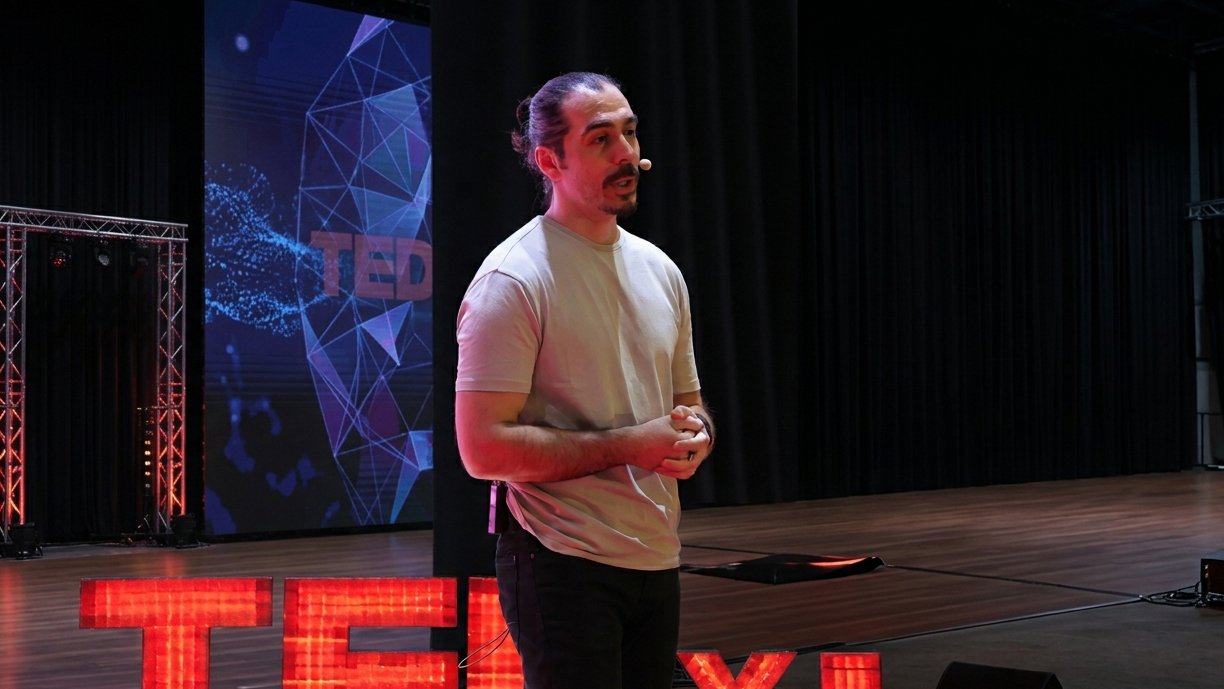 A TEDx talk on martial arts and its philosophy.
Savaş Sanatları ve felsefesi üzerine bir TEDx konuşması.
Una charla TEDx sobre artes marciales y filosofía.
A TEDx talk on martial arts and its philosophy.
Savaş Sanatları ve felsefesi üzerine bir TEDx konuşması.
Una charla TEDx sobre artes marciales y filosofía.
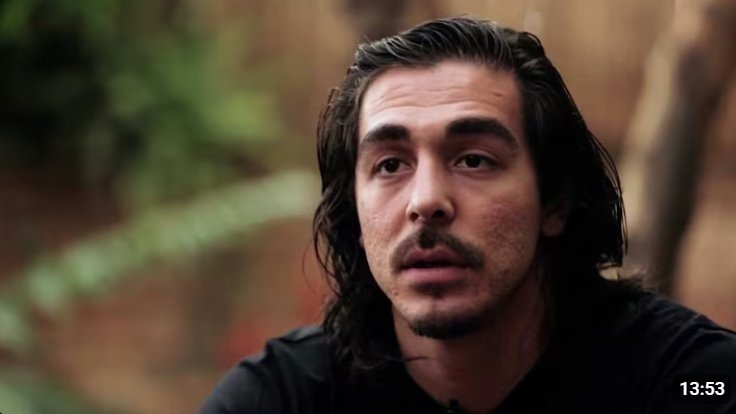 "What I have learned from Martial Arts" — a cinematic interview filmed in Brazil with the O Lugar team.
"What I have learned from Martial Arts" — Brezilya'da O Lugar ekibiyle çekilen sinematografik bir röportaj.
"What I have learned from Martial Arts" — una entrevista cinematográfica filmada en Brasil con el equipo de O Lugar.
"What I have learned from Martial Arts" — a cinematic interview filmed in Brazil with the O Lugar team.
"What I have learned from Martial Arts" — Brezilya'da O Lugar ekibiyle çekilen sinematografik bir röportaj.
"What I have learned from Martial Arts" — una entrevista cinematográfica filmada en Brasil con el equipo de O Lugar.
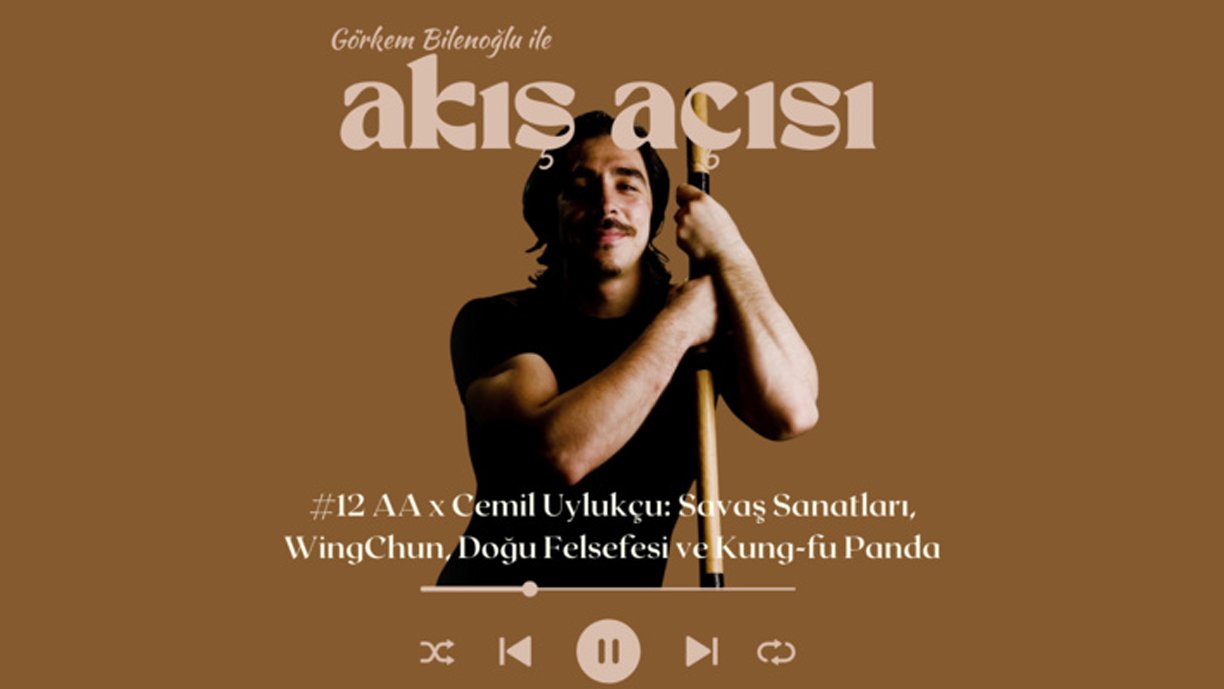 Akış Açısı Podcast (Turkish) — a guest conversation on WingChun, Eastern philosophy and the teaching behind martial arts training.
Akış Açısı Podcast — WingChun, Doğu felsefesi ve savaş sanatlarının arkasındaki öğreti üzerine bir konuk sohbeti.
Podcast Akış Açısı (en Turco) — una conversación como invitado sobre WingChun, filosofía oriental y la mentalidad detrás del entrenamiento en artes marciales.
Akış Açısı Podcast (Turkish) — a guest conversation on WingChun, Eastern philosophy and the teaching behind martial arts training.
Akış Açısı Podcast — WingChun, Doğu felsefesi ve savaş sanatlarının arkasındaki öğreti üzerine bir konuk sohbeti.
Podcast Akış Açısı (en Turco) — una conversación como invitado sobre WingChun, filosofía oriental y la mentalidad detrás del entrenamiento en artes marciales.
The Martial Path
WingChun & Escrima training, philosophy, and mentorship with Sifu/Master Cemil Uylukcu. Open to practitioners of any style or background.
Sifu/Master Cemil Uylukcu ile WingChun & Escrima eğitimi, felsefe ve mentorluk. Her tarz ve geçmişten savaş sanatçısına açık.
Entrenamiento de WingChun y Escrima, filosofía y mentoría con Sifu/Master Cemil Uylukcu. Abierto a practicantes de cualquier estilo o trasfondo.
Find him elsewhere.Diğer platformlar.Encontrarlo en otros lugares..
For seminars, media and collaborations — Seminerler, medya ve iş birlikleri için — Para seminarios, medios y colaboraciones — sifu@cemiluylukcu.com